Tarangire National Park Safari

Herds of 300+ Elephants • Ancient Baobab Forests • Dry-Season Tarangire River Lifeline • 550+ Bird Species

Park Size
2,850 km² (1,100 sq mi)
Baobab Trees
Over 1,000 Years Old
Elephant Herds
Up to 300 per Family Herd
Avian Species
550+ Recorded Species
Majestic Landscapes

The Golden Dry-Season Haven of Northern Tanzania

Covering 2,850 square kilometers along the Great Rift Valley system, Tarangire National Park is celebrated worldwide for its iconic landscape of colossal baobab trees (Adansonia digitata) and Africa's greatest concentration of wild elephants.

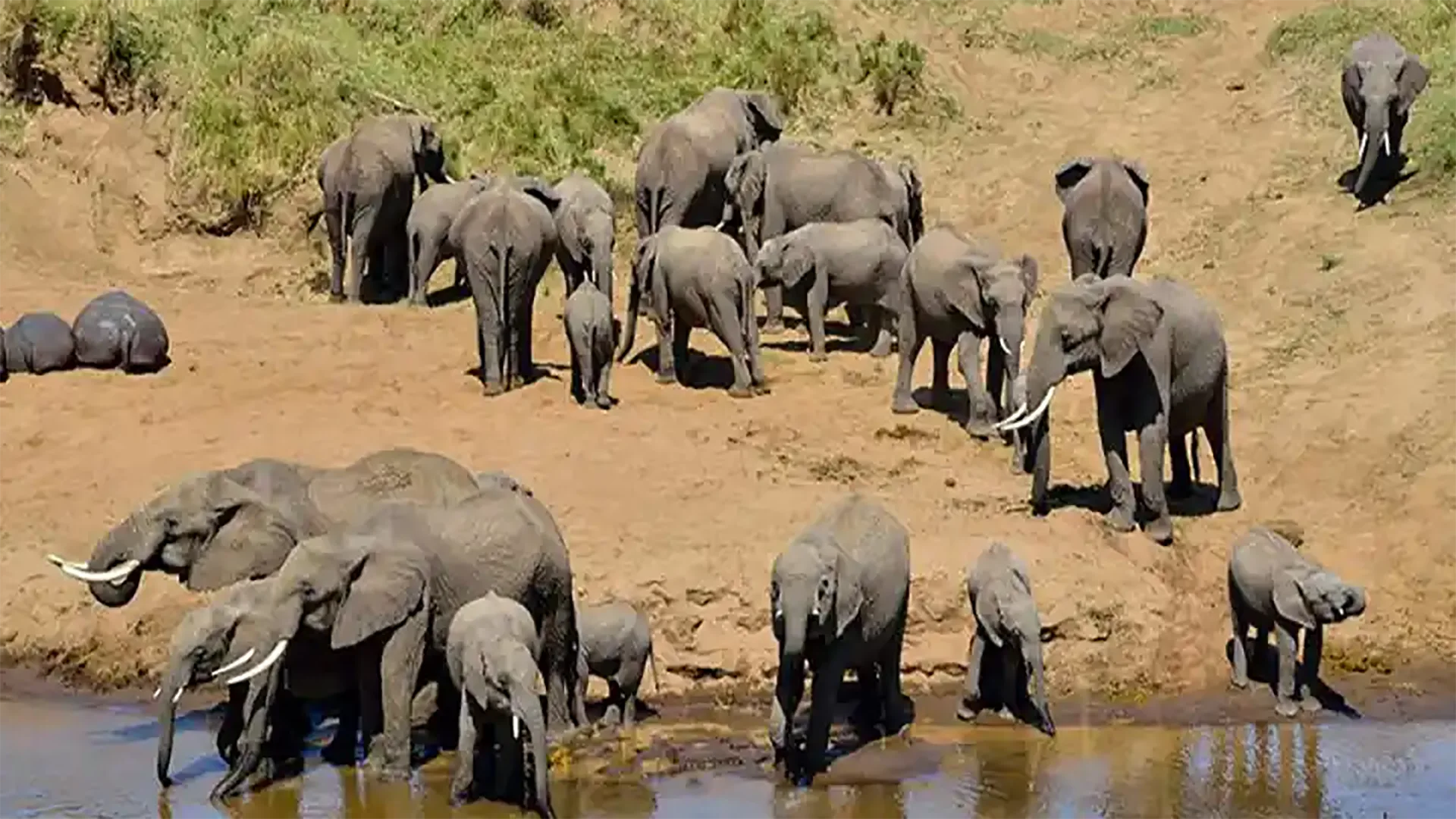
The park's lifeblood is the perennial Tarangire River. During the dry season (July to October), surrounding waterholes across the vast Maasai Steppe completely evaporate, transforming the river into the only permanent water source for hundreds of square miles. Over 250,000 animals migrate into Tarangire, creating one of the most thrilling wildlife spectacles in East Africa.

Visitors witness massive elephant family herds digging into the sandy riverbed with their trunks to unearth pure underground spring water, while lions, leopards, and cheetahs monitor the riverbanks for thirsty antelopes.

Tanzania's Ultimate Birding Sanctuary

With over 550 bird species recorded, Tarangire holds the highest avian density per square kilometer in Tanzania, from vibrant yellow-collared lovebirds to red-and-yellow barbets and giant martial eagles.

Tarangire River Valley Elephants and Baobabs
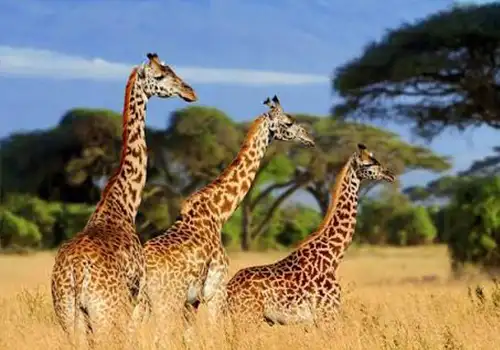
Tarangire Giraffe
Seriani Tarangire Luxury Camp
Regional Highlights

The Four Core Regions of Tarangire National Park

Discover the diverse habitats that make Tarangire a year-round photographic treasure.

1. The Tarangire River Corridor

Dry-Season Lifeline

The winding riverbed cuts through the center of the park, lined with acacia woodlands and towering fig trees. Between July and October, thousands of animals gather here daily to drink, bathe, and socialize, creating constant wildlife drama along the water's edge.

Key Sightings:

Elephants excavating sand wells, tree-climbing lions resting in sausage trees, buffalo herds, and waterbucks.

  • Best Timing: July to October (Peak Gathering)
  • Photo Tip: Reflection of elephants crossing the river during golden sunset hours.

2. The Silale Swamps (The Green Sponge)

30 km² Marsh Oasis

A massive 30-square-kilometer wetland in the south-central sector. Acting like a natural reservoir, it remains emerald green all year. In the dry season, hundreds of elephants graze in the lush reeds, sometimes submerged up to their chests.

Key Sightings:

Swimming elephants, marsh-hunting lion prides, African rock pythons in tree canopies, and wattled storks.

  • Best Timing: August to November
  • Photo Tip: Elephants silhouetted against lush green reed beds and clear blue skies.

3. Lemiyon & Northern Baobab Groves

Baobab Forest

The northern entry sector features the densest concentration of colossal baobab trees in East Africa. Some specimens exceed 1,000 years of age with trunk circumferences of over 20 meters, serving as nesting sites for red-billed hornbills and raptors.

Key Sightings:

Vast baobab forests, leopard perches in ancient tree hollows, and breeding elephant nursery herds.

  • Best Timing: Year-Round
  • Photo Tip: Dramatic wide-angle shots framing wildlife beneath giant baobab branches.

4. Gursi & Southern Wilderness Plains

Remote Bush

A remote, untouched wilderness sector rarely visited by standard tours. Characterized by dry acacia scrub and open seasonal floodplains, it is the premier habitat for rare dry-country species like the long-necked gerenuk and fringe-eared oryx.

Key Sightings:

Fringe-eared oryx, long-necked gerenuk, lesser kudu, African wild dogs, and exclusive walking safaris.

  • Best Timing: July to December
  • Photo Tip: Gerenuks standing upright on their hind legs to feed on high acacia shoots.
Official Packages

Tarangire National Park Safari Packages

Complete packages with customized 4x4 Land Cruisers, expert wildlife guides, airport transfers, luxury & midrange tented lodges, and all national park fees included.

4-Day Elephants to Crater Safari 4 Days
Top Bestseller
4-Day Elephants to Ngorongoro Crater Safari
Tarangire & Crater From $1,350 /pp
View Package
4-Day Northern Tanzania Safari 4 Days
#1 Recommended
4-Day Northern Tanzania Highlights Safari
Tarangire, Manyara & Crater From $1,420 /pp
View Package
4-Day Cheap Wildebeest Migration Safari 4 Days
Migration & Tarangire
4-Day Tarangire & Migration Safari
Tarangire, Serengeti & Crater From $1,250 /pp
View Package
7-Day Discover Northern Tanzania Safari Adventure 7 Days
Complete Circuit
7-Day Discover Northern Tanzania Safari
Tarangire, Crater & Serengeti From $2,450 /pp
View Package
Tailor-Made Safari Planning

Book Your Tarangire Safari Adventure

Let our destination specialists create a customized itinerary combining Tarangire with Ngorongoro and the Serengeti.

Call / WhatsApp: +255 682 801 818 • Email: info@liontracksafaritanzania.com

Help & Advice

Tarangire Safari FAQs

Answers to frequent questions about visiting Tarangire National Park.

Tarangire earned this title because it boasts the highest concentration of African elephants in Tanzania (herds often exceeding 300 individuals) alongside iconic thousand-year-old baobab trees that dominate the horizon.

From July to late October. During this period, surrounding waterholes across the Maasai Steppe dry up, compelling over 250,000 animals (elephants, zebras, wildebeest, oryx) to concentrate along the Tarangire River.

The Silale Swamps act as a giant green sponge covering 30 km². Even in the driest months, it remains lush green, attracting hundreds of elephants that graze while submerged up to their chests, alongside giant pythons and predators.

Tarangire is Tanzania's premier birdwatching haven with over 550 recorded avian species—the highest bird count per square kilometer in the country, including endemic yellow-collared lovebirds and the world's heaviest flying bird, the Kori bustard.

Yes! Like Lake Manyara, Tarangire's lions frequently climb the sturdy branches of umbrella acacias and sausage trees to rest during midday heat and scan the grassy plains for prey.

Tarangire is approximately 120 km (75 miles) southwest of Arusha. The scenic drive takes roughly 2 hours on a smooth paved highway, making it an ideal first or last park on Northern Circuit itineraries.