Ruaha National Park Highlights
- Size: Over 20,000 sq km (One of East Africa's largest parks)
- Lion Population: Hosts 10% of the entire world's remaining wild lions
- Rare Wildlife: Greater and lesser kudu, sable antelope & African wild dogs
- Visitor Density: Extraordinarily low; authentic private wilderness feel
For adventurous travelers who have already experienced the Northern Circuit or who crave raw, untamed wilderness completely devoid of safari crowds, Ruaha National Park is Africa's ultimate frontier. Spanning over 20,000 square kilometers of rugged baobab valleys, rocky gorges, and sand rivers, Ruaha is home to ten percent of all remaining wild lions on Earth.
The Land of the Super Prides
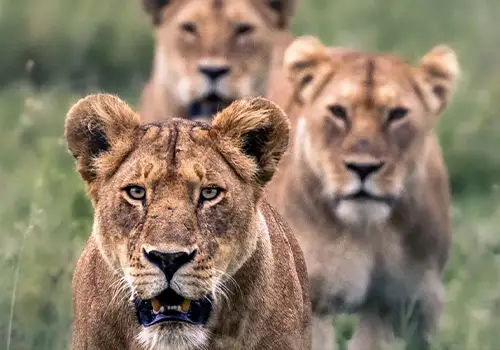
Ruaha is legendary among wildlife biologists for its famous 'super prides'—lion prides numbering twenty, thirty, or even forty individuals. Because the park's primary prey includes formidable animals like Cape buffalo and giant bull giraffes, lions have evolved to hunt in massive, highly organized coalitions.
Witnessing thirty lions resting together along the dry banks of the Great Ruaha River or coordinating a dusk buffalo ambush is a thrilling display of apex predator dominance.
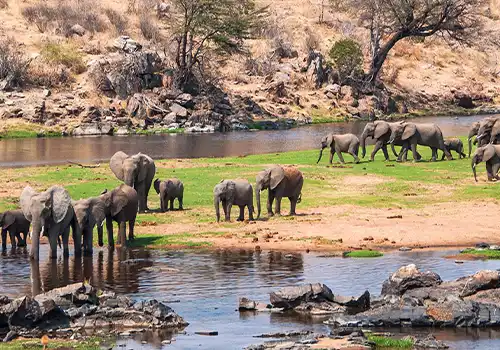 Great Ruaha River: Africa's untamed southern heartland, home to super prides of lions and thousands of elephants.
A Crossroads of Eastern and Southern African Wildlife
Ruaha occupies a unique biogeographical transition zone where the acacia savannah of East Africa meets the miombo woodlands of Southern Africa. As a result, it hosts species rarely found together anywhere else on the continent.
You can spot both Greater and Lesser Kudu with their magnificent spiraling horns, Roan and Sable antelopes, bat-eared foxes, and one of Africa's most viable populations of endangered African wild dogs (painted wolves).
The Dramatic Great Ruaha River
The lifeblood of the park is the Great Ruaha River. Even as surface water dwindles during dry periods, underground streams remain close beneath the sand. Elephants use their trunks and feet to dig natural wells, providing water for troops of baboons, impalas, and colorful bird species.
Hippos crowd into deep rocky river pools, and massive Nile crocodiles sun themselves on granite boulders in peaceful contentment.
How to Visit Ruaha National Park
Ruaha is best accessed via direct scheduled bush flights from Arusha, Dar es Salaam, or Zanzibar to Msembe or Jongomero airstrips. Accommodations consist of exclusive, low-impact luxury tented camps and open-air timber lodges perched on rocky kopjes.
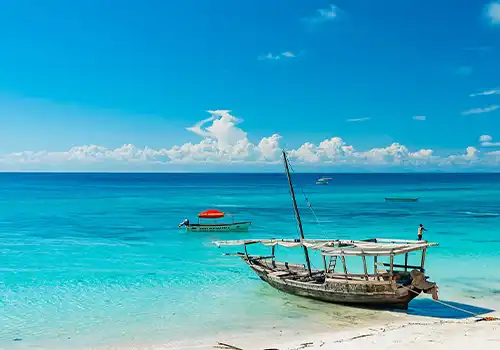
Combine Ruaha with Nyerere National Park (formerly Selous) or a Zanzibar beach holiday for the ultimate off-the-beaten-path safari experience.
Ready to Experience Tanzania?
Let our local safari specialists tailor a bespoke itinerary tailored to your preferred travel dates, pace, and wildlife dreams.

Written by Pastory Katwe
Senior Safari Guide & FounderExpert Tanzania safari guide with over a decade of tracking wildlife across the Northern Circuit national parks.
Plan Your Safari & Beach Escape
Let our local travel specialists design your personalized Tanzania itinerary with custom dates, luxury camps, and private guides.
Get a Free Customized Quote Chat on WhatsApp