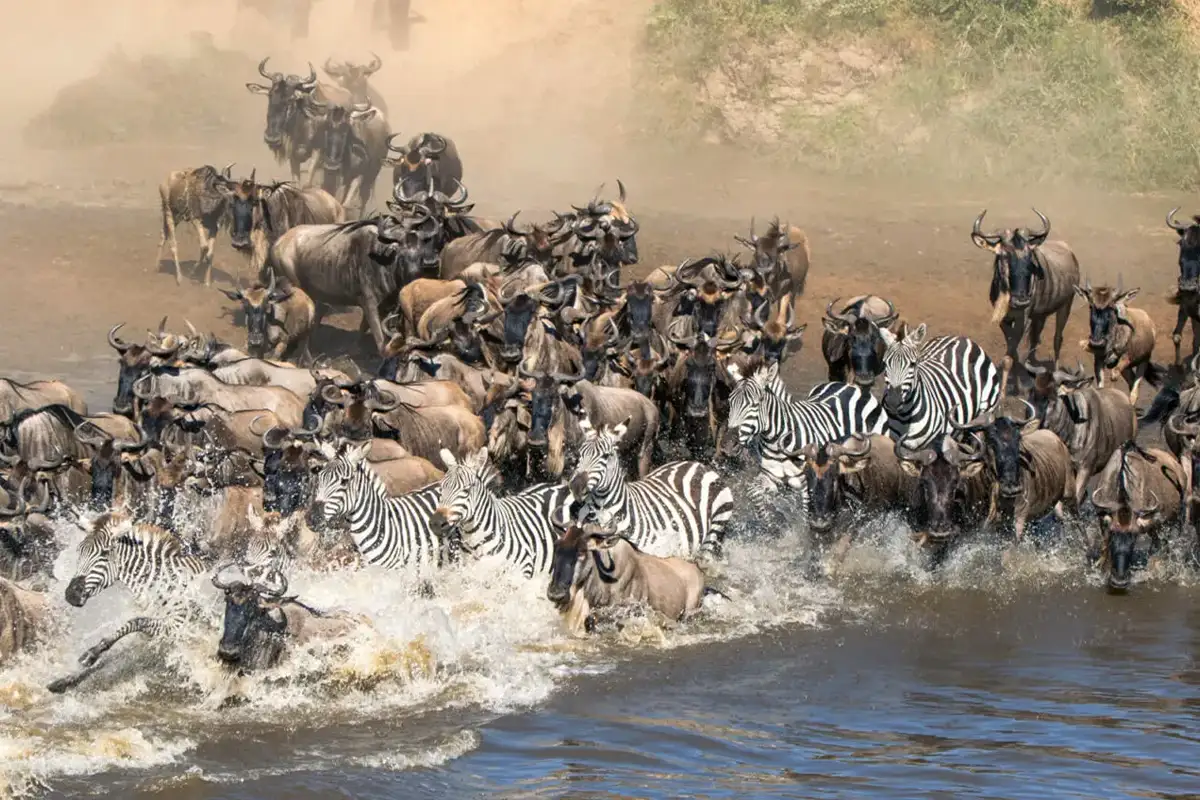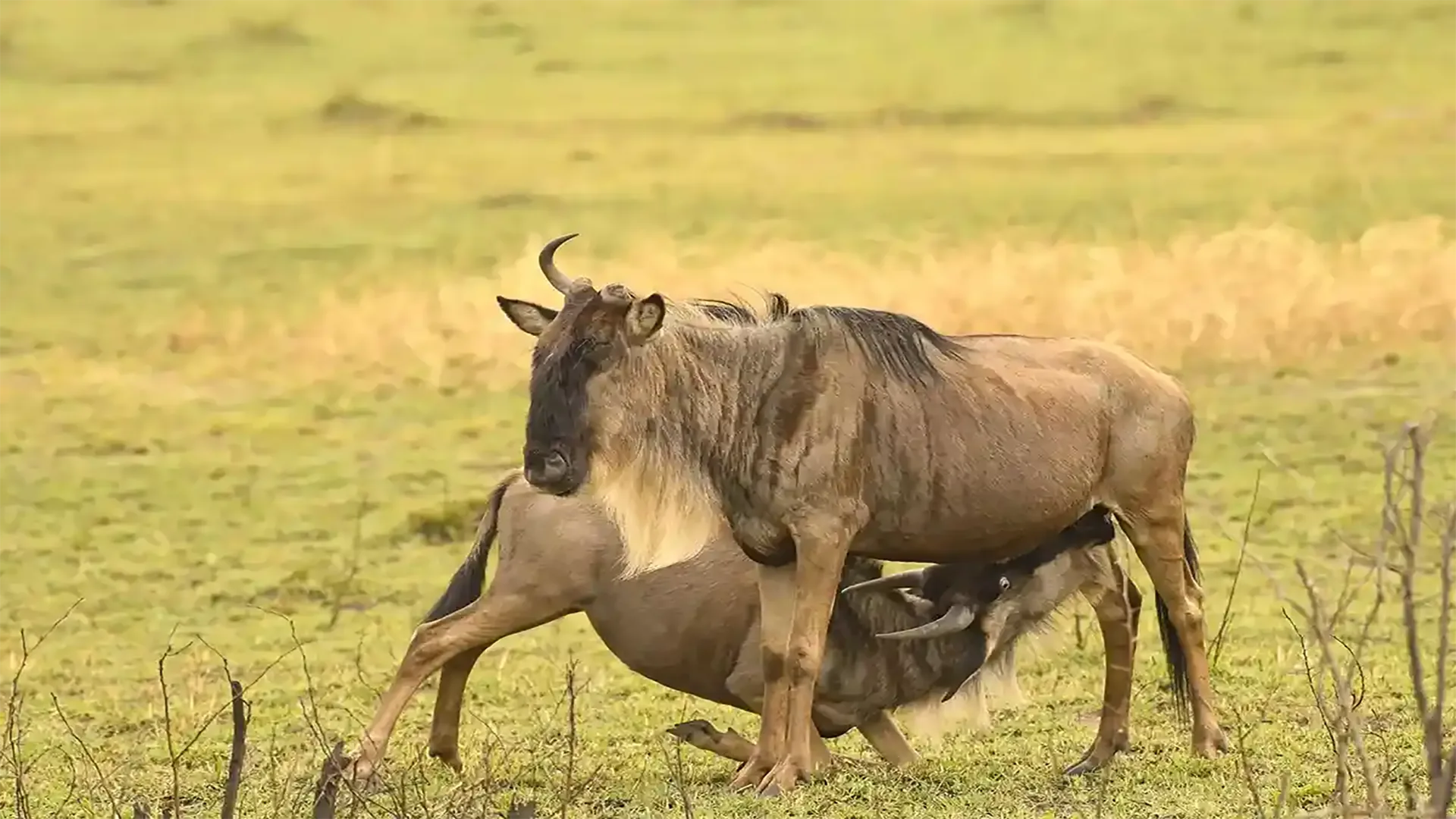
January & February in Ndutu
- Terrain: Nutrient-rich volcanic plains & shallow soda lakes
- Wildlife Density: Highest concentration of mammals in East Africa
- Big Cats: Exceptional cheetah, lion, and caracal tracking
- Birdlife: Superb migratory birding around Lake Ndutu
When January rolls around, the vast Southern Serengeti and the bordering Ndutu conservation area come alive with extraordinary energy. The short-grass plains, enriched by minerals from ancient volcanic eruptions of the Ngorongoro Highlands, provide pregnant wildebeest mothers with the highest calcium and phosphorus levels found anywhere in Africa.
Why Timing Matters: The January-February Window
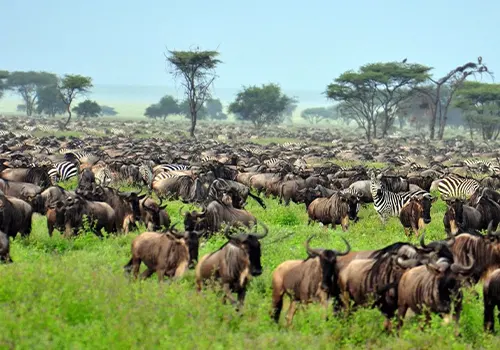
By mid-January, the migration herds have settled firmly into the triangle formed between Lake Ndutu, Lake Masek, and the Kusini plains. The grass is short, succulent, and highly digestible, allowing grazing herds to feed efficiently while keeping watchful eyes out for lurking predators.
Traveling during these two months guarantees ringside seats to the most concentrated wildlife theater on the continent. With unobstructed sightlines extending miles in every direction, animal behavior can be spotted and followed from extraordinary distances.
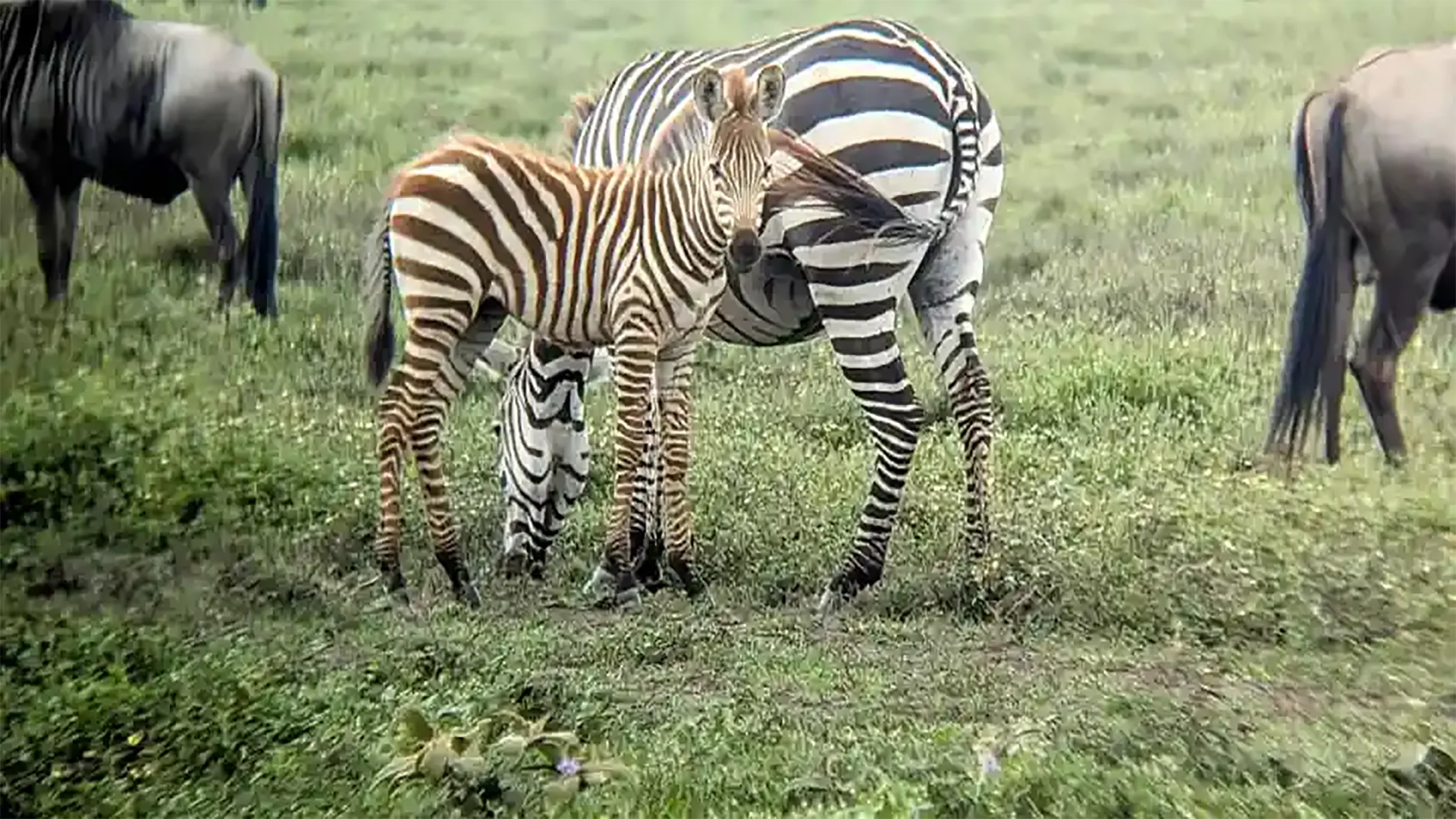 Endless Horizons: The short grass plains of Ndutu nourish hundreds of thousands of grazing animals.
The Intricate Ecosystem of Lake Ndutu and Lake Masek
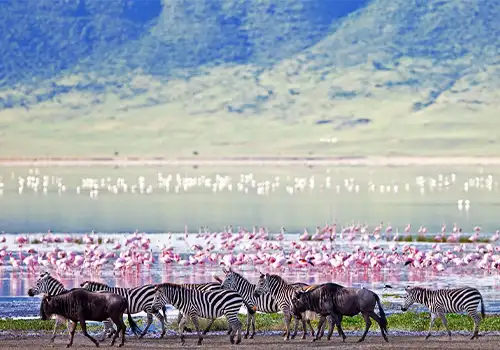
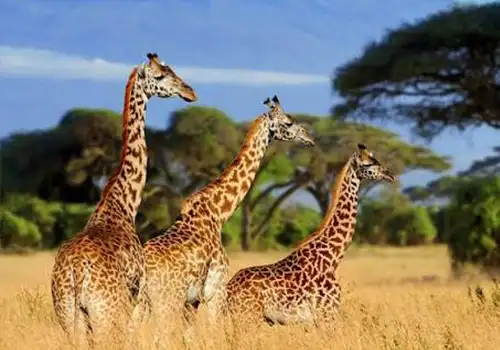
At the core of the region lie Lake Ndutu and Lake Masek, two alkaline lakes fringed by acacia tortilis woodlands. These water sources attract resident wildlife that remain year-round, including giraffe, impala, bat-eared foxes, and playful vervet monkeys.
During early mornings, flamingo flocks tint the water pink while raptors such as martial eagles and bateleurs circle overhead, hunting small mammals scattered across the lake margin.
Unmatched Big Cat Sightings
Ndutu is revered among seasoned safari guides as the undisputed cheetah capital of East Africa. The open grasslands present the ideal environment for the cheetah's blistering 60-mph sprints. Witnessing a mother cheetah hunting a Thomson's gazelle across the open flats is a regular highlight for our guests.
Lions also gather in formidable prides, often resting atop prominent granite kopjes—ancient rock outcroppings that serve as elevated natural surveillance towers over the surrounding sea of grass.
Planning Your Stay in Ndutu
Accommodations in Ndutu during January and February range from elegant permanent lodges nestled in the acacia forest to seasonal semi-permanent tented camps that follow the herds' movements.
Because space in this world-renowned region is finite, securing private 4x4 vehicles and experienced guides early ensures you maximize your days across this breathtaking seasonal wilderness.
Ready to Experience Tanzania?
Let our local safari specialists tailor a bespoke itinerary tailored to your preferred travel dates, pace, and wildlife dreams.

Written by Robin Tuni
Safari Specialist & Itinerary PlannerPassionate safari specialist at Lion Track Safari Tanzania, dedicated to designing custom wildlife adventures across the Serengeti, Ngorongoro Crater, and tropical Zanzibar getaways.
Plan Your Safari & Beach Escape
Let our local travel specialists design your personalized Tanzania itinerary with custom dates, luxury camps, and private guides.
Get a Free Customized Quote Chat on WhatsApp