Maasai Cultural Overview
- Community: Maasai pastoralists of the Great Rift Valley
- Architecture: Traditional circular boma fenced by thorny acacia
- Highlights: Adumu warrior jumping dance & women's beadwork
- Location: Ngorongoro Highlands & Monduli plains
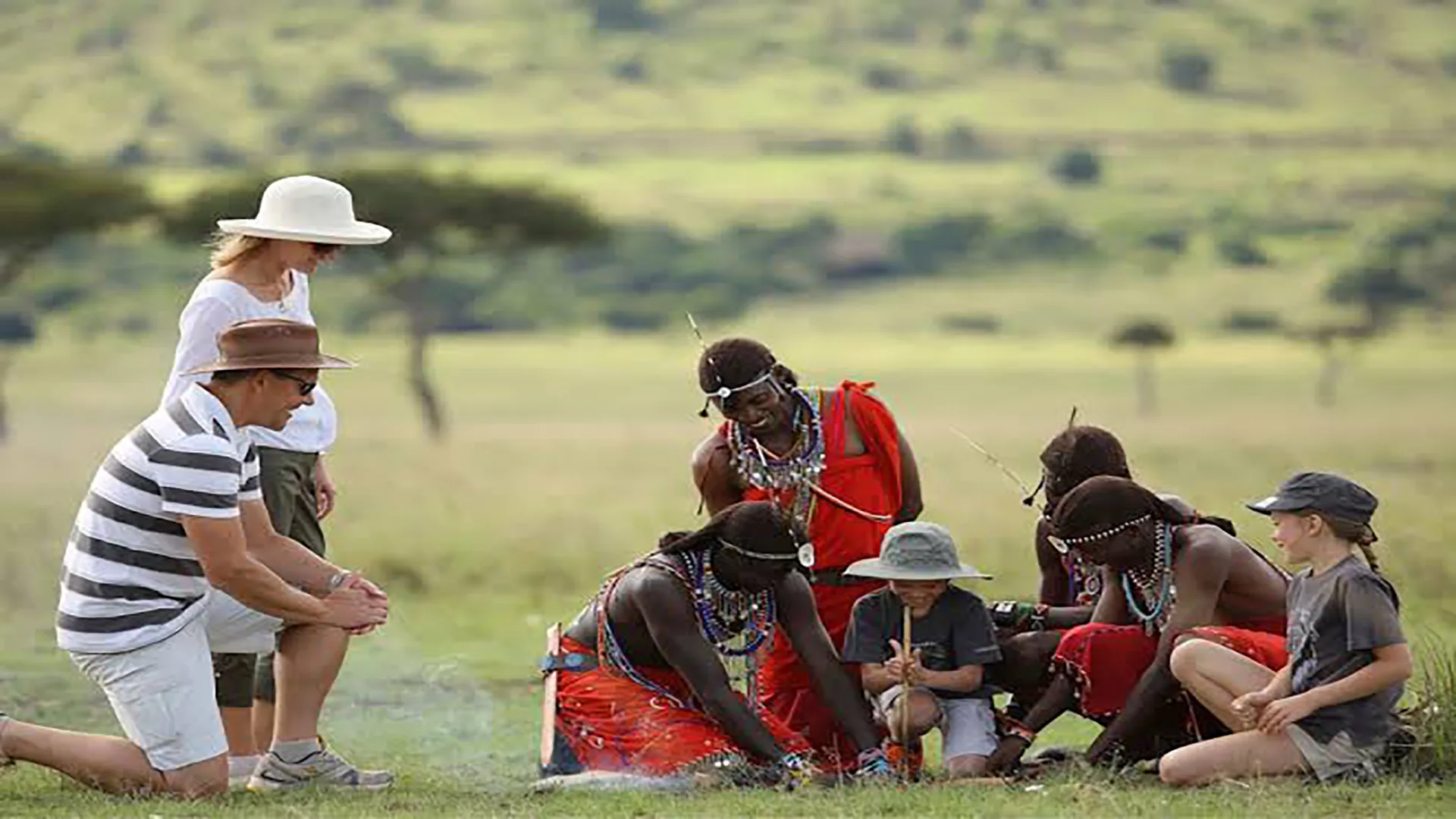
Draped in vibrant crimson and cobalt shúkà fabrics, adorned with intricate geometric beadwork, and carrying handcrafted walking spears, the Maasai are among the world's most recognizable and resilient indigenous cultures. A respectful visit to an authentic Maasai boma provides deep insight into their centuries-old pastoral way of life.
The Architecture and Layout of a Traditional Boma
A Maasai village, known as an enkang or boma, is intentionally designed in a circular pattern enclosed by a dense fence of thorny acacia branches to protect livestock from nocturnal predators like lions and hyenas.
Inside the perimeter stand the traditional houses (inkajijik), meticulously constructed by women using wooden poles, woven grass, mud, and cow dung. The interior is surprisingly cool and cozy, centered around a central hearth that provides warmth, cooking heat, and gentle smoke to deter insects.
 The Adumu Jumping Dance: Young Maasai warriors display strength, endurance, and rhythm in traditional ceremony.
The High-Jumping Adumu Ceremony
Upon arrival, visitors are welcomed with traditional singing and the rhythmic chanting of the Moran (warrior) age-set. The warriors form a circle and perform the famous 'Adumu'—the jumping dance. Each warrior enters the center, leaping straight into the air without letting his heels touch the ground, demonstrating strength, agility, and stamina.
Visitors are warmly invited to join the circle and try their own jumping rhythm, creating moments of shared laughter and genuine cultural connection.
The Symbolic Art of Maasai Beadwork
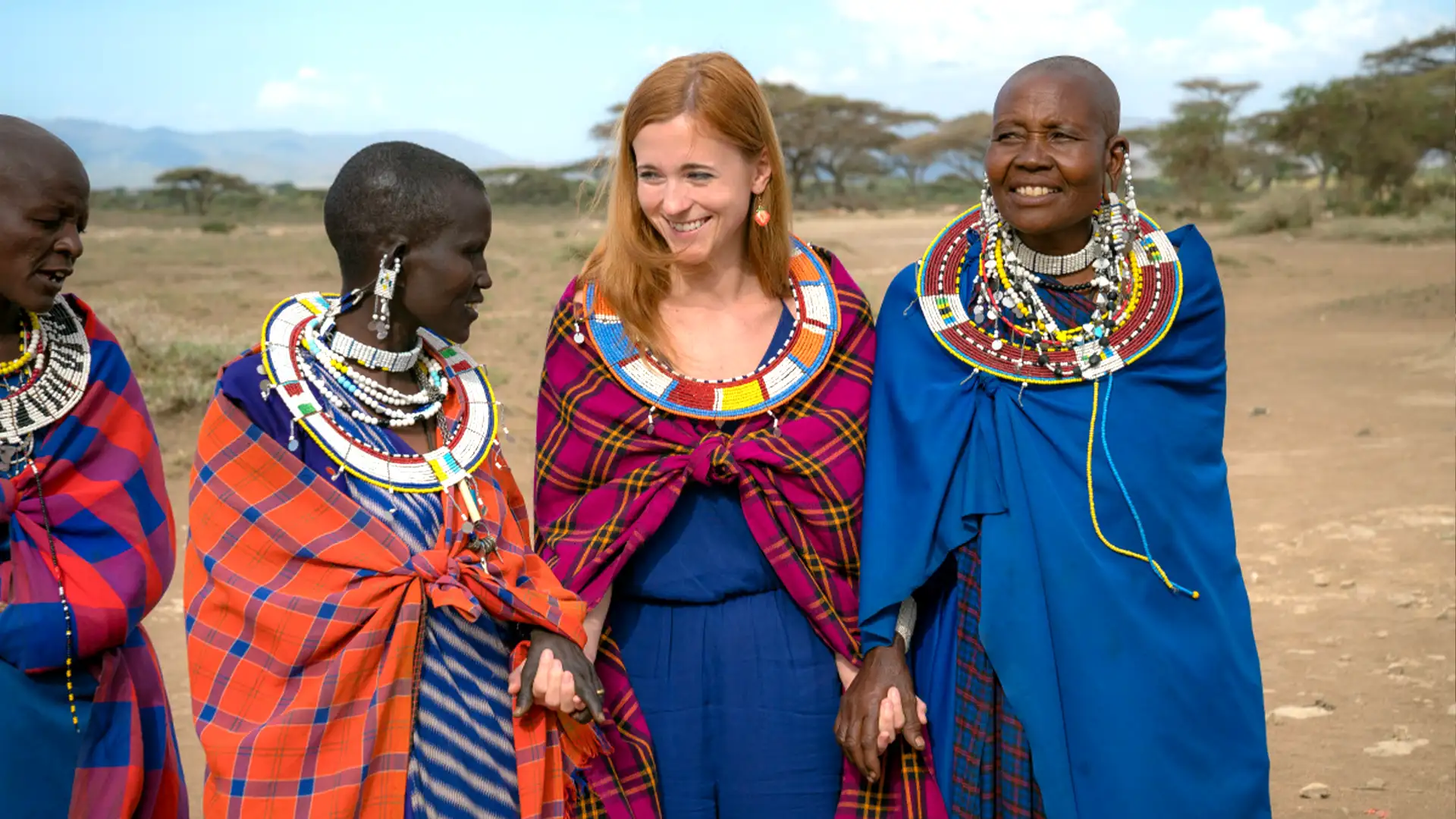
For Maasai women, beaded jewelry is far more than decoration; it is a visual language that signifies social standing, marital status, age, and clan affiliation. White beads symbolize purity and milk; red represents bravery, strength, and blood; blue reflects energy and the sky; and green denotes fertility and rich pasturelands.
Purchasing handcrafted necklaces, bracelets, and ornaments directly from village craftswomen provides vital independent economic income that supports family healthcare and children's education.
Ethical Engagement and Respectful Photography
We prioritize respectful, community-led cultural visits that avoid commercialized staging. Our guides act as cultural bridges, translating conversations with village elders and explaining traditions with nuance and sensitivity.
Always ask permission before taking close-up portraits, and approach the experience with an open heart and genuine curiosity.
Ready to Experience Tanzania?
Let our local safari specialists tailor a bespoke itinerary tailored to your preferred travel dates, pace, and wildlife dreams.

Written by Pastory Katwe
Senior Safari Guide & FounderExpert Tanzania safari guide with over a decade of tracking wildlife across the Northern Circuit national parks.
Plan Your Safari & Beach Escape
Let our local travel specialists design your personalized Tanzania itinerary with custom dates, luxury camps, and private guides.
Get a Free Customized Quote Chat on WhatsApp