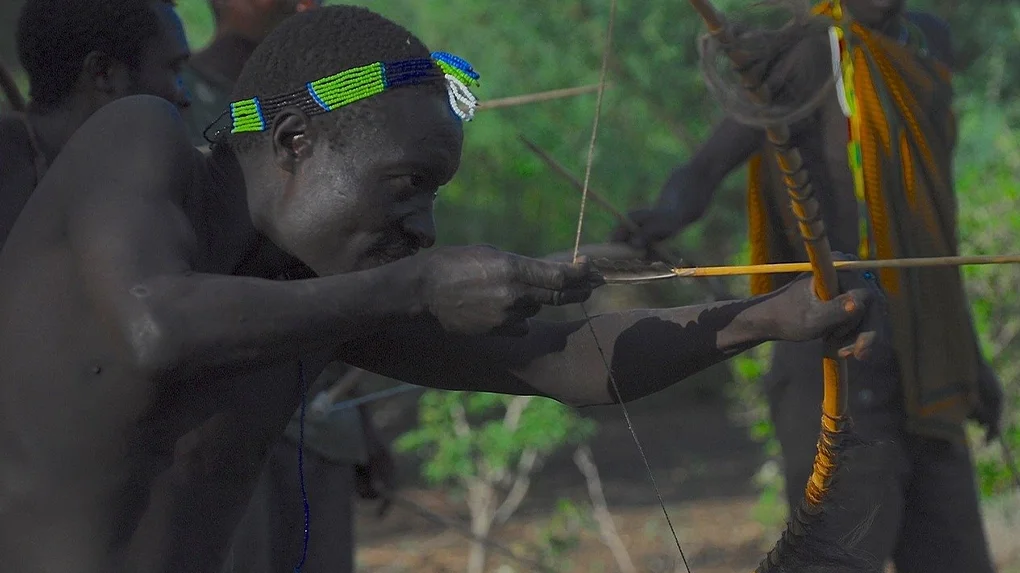
Cultural Expedition Highlights
- Community: The Hadzabe (one of Earth's last hunter-gatherers)
- Region: Lake Eyasi valley, south of Ngorongoro
- Language: Unique click language unrelated to any other
- Experience: Morning hunt walk, foraging & bow demonstration
In the rugged acacia scrublands surrounding the alkaline shores of Lake Eyasi lives one of humanity's most extraordinary cultural treasures: the Hadzabe. Living as hunter-gatherers virtually unchanged for over 10,000 years, the Hadzabe possess no domesticated animals, cultivate no crops, and build no permanent dwellings.
Stepping Back Ten Thousand Years
Visiting the Hadzabe is not an artificial performance; it is an authentic, respectful window into humanity's ancestral way of life. Numbering fewer than 1,500 individuals, they survive entirely on what nature provides: wild game, seasonal tubers, baobab fruit, and wild honey collected from cliff hives.
Their language is a fascinating rhythmic tapestry of clicks, pops, and glottal consonants that holds no linguistic connection to any other surviving African language group.
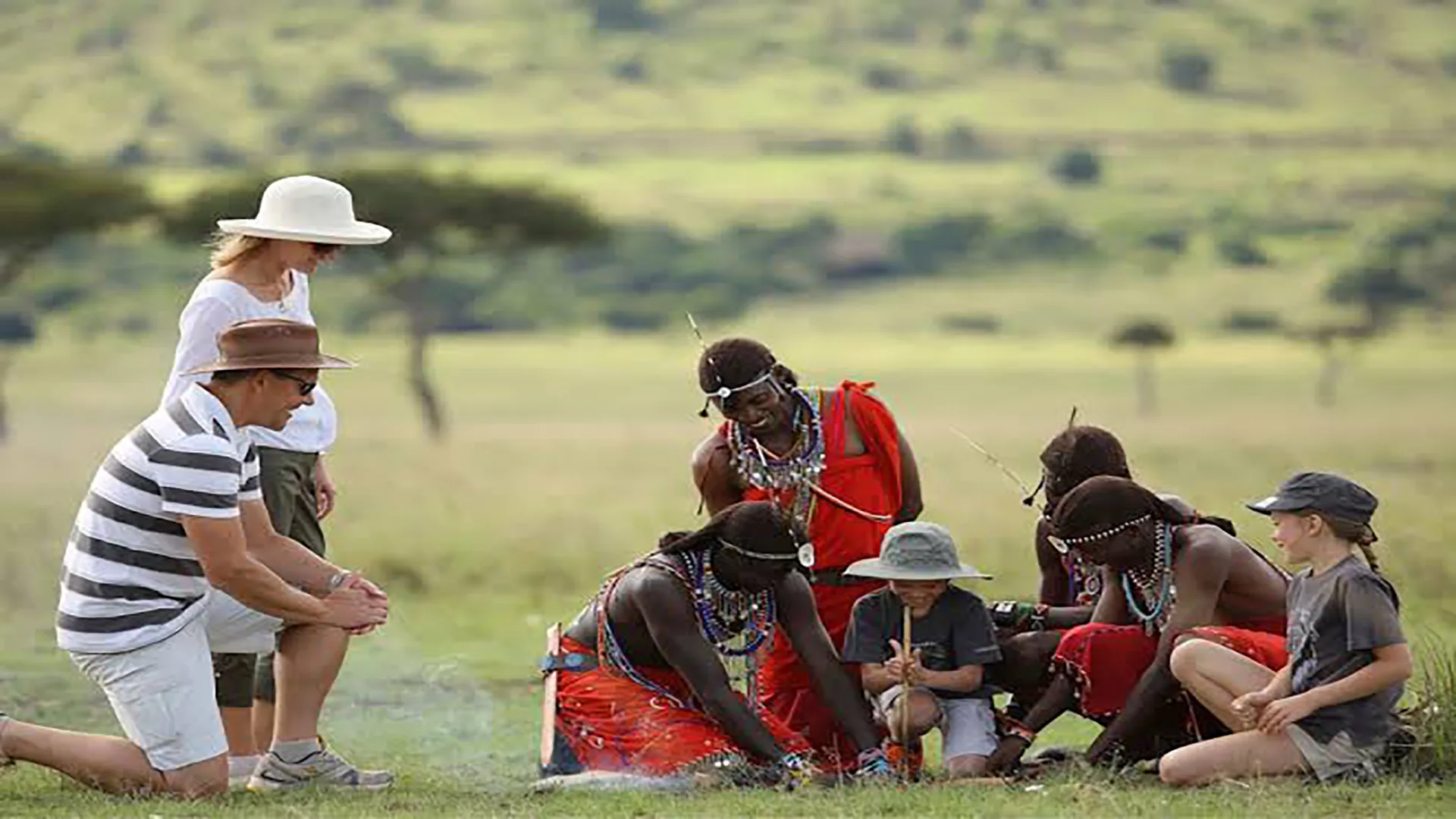
 Ancient Fire Mastery: The Hadzabe demonstrate traditional friction fire-making techniques passed down over millennia.
The Morning Bow-and-Arrow Hunt Walk
Arriving at their temporary bush camp at sunrise, visitors join hunters as they prepare their handmade wooden bows strung with animal sinew. Guests are invited to accompany the men on a morning hunt through the thornbush, observing their astonishing tracking abilities, silent footsteps, and encyclopedic knowledge of animal behavior.
Watch as a hunter effortlessly creates fire in under thirty seconds by rapidly twirling a dry hardwood stick against a softer wood base, using dry zebra dung as tinder.
Foraging with the Hadzabe Women
While the men hunt, Hadzabe women and elders forage for edible roots, nutritious berries, and medicinal herbs using sharpened digging sticks. Their deep understanding of the botanical landscape ensures the community remains well-nourished across seasons of drought and rain.
Visitors gain a profound appreciation for their sustainable, zero-waste relationship with the wilderness—taking only what is needed and leaving no ecological footprint behind.
Ethical Cultural Tourism
Lion Track Safari Tanzania works closely with local community elders to ensure cultural visits are conducted with dignity, fair economic remuneration, and environmental respect.
Combining a morning with the Hadzabe with an afternoon visit to the nearby Datoga blacksmiths provides a richly rewarding cultural complement to your northern wildlife safari.
Ready to Experience Tanzania?
Let our local safari specialists tailor a bespoke itinerary tailored to your preferred travel dates, pace, and wildlife dreams.

Written by Pastory Katwe
Senior Safari Guide & FounderExpert Tanzania safari guide with over a decade of tracking wildlife across the Northern Circuit national parks.
Plan Your Safari & Beach Escape
Let our local travel specialists design your personalized Tanzania itinerary with custom dates, luxury camps, and private guides.
Get a Free Customized Quote Chat on WhatsApp